

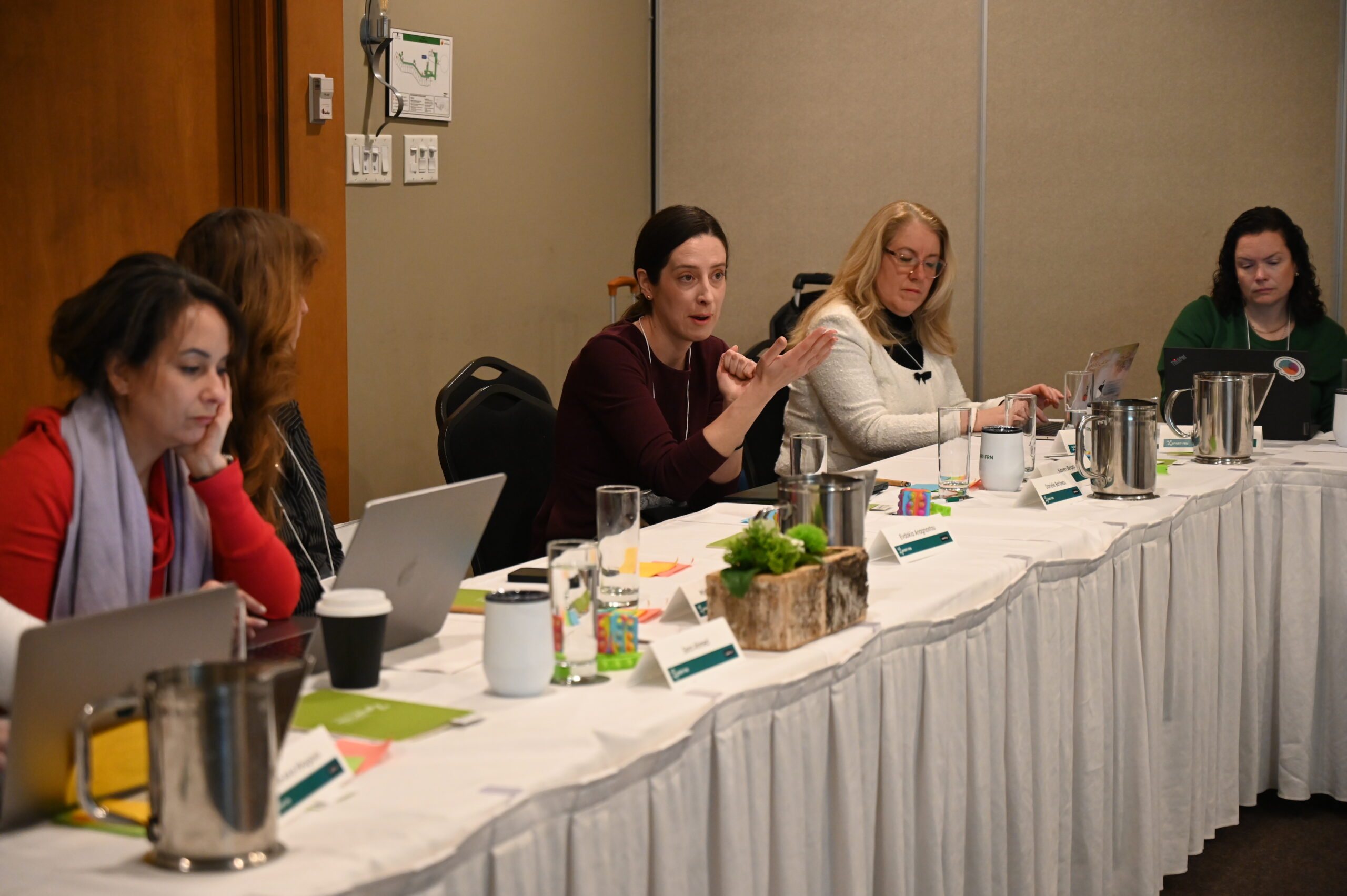
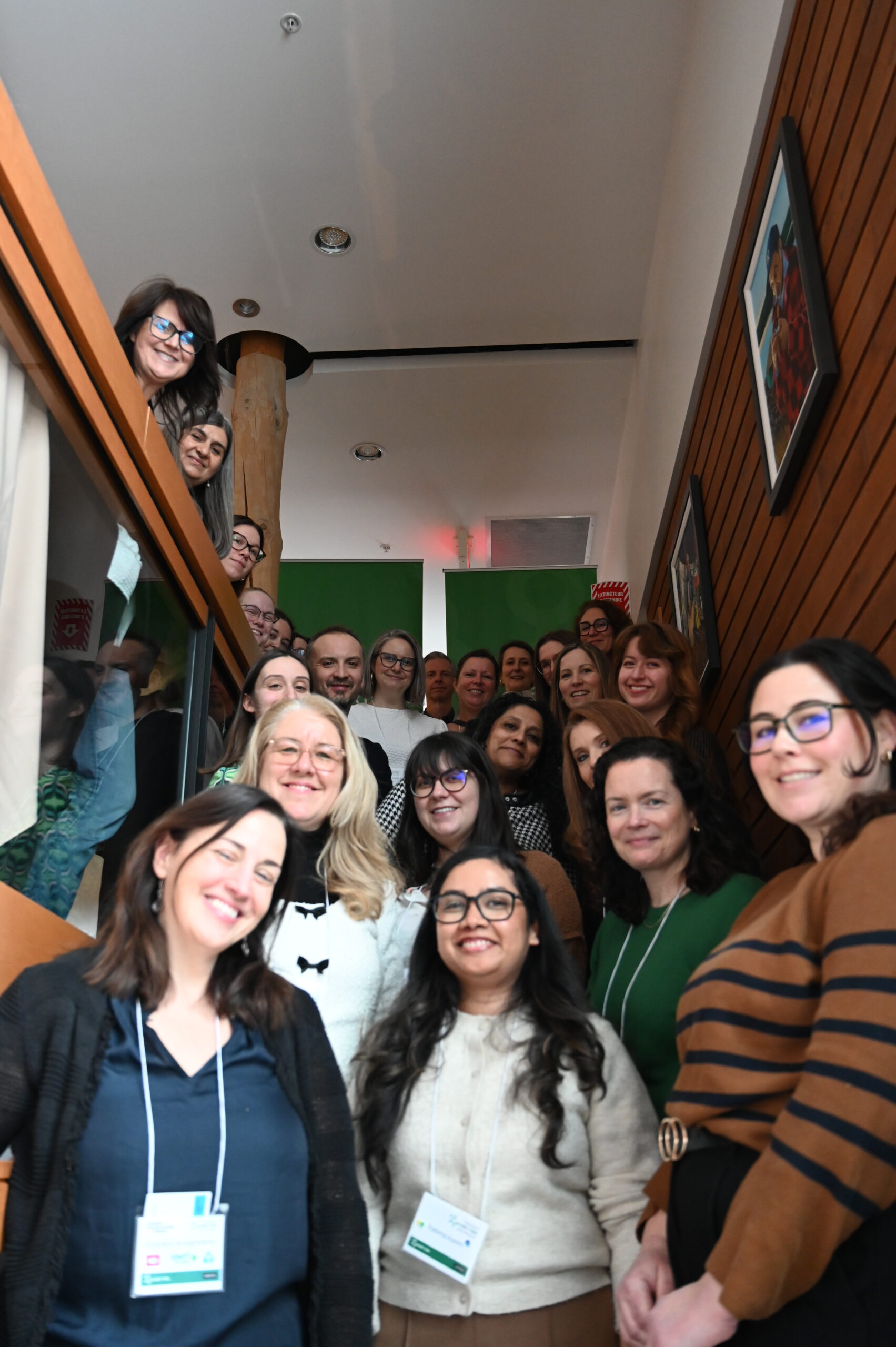
In February 2026, representatives from research networks and training platforms gathered in Wendake, Québec for the Network of Networks Retreat.
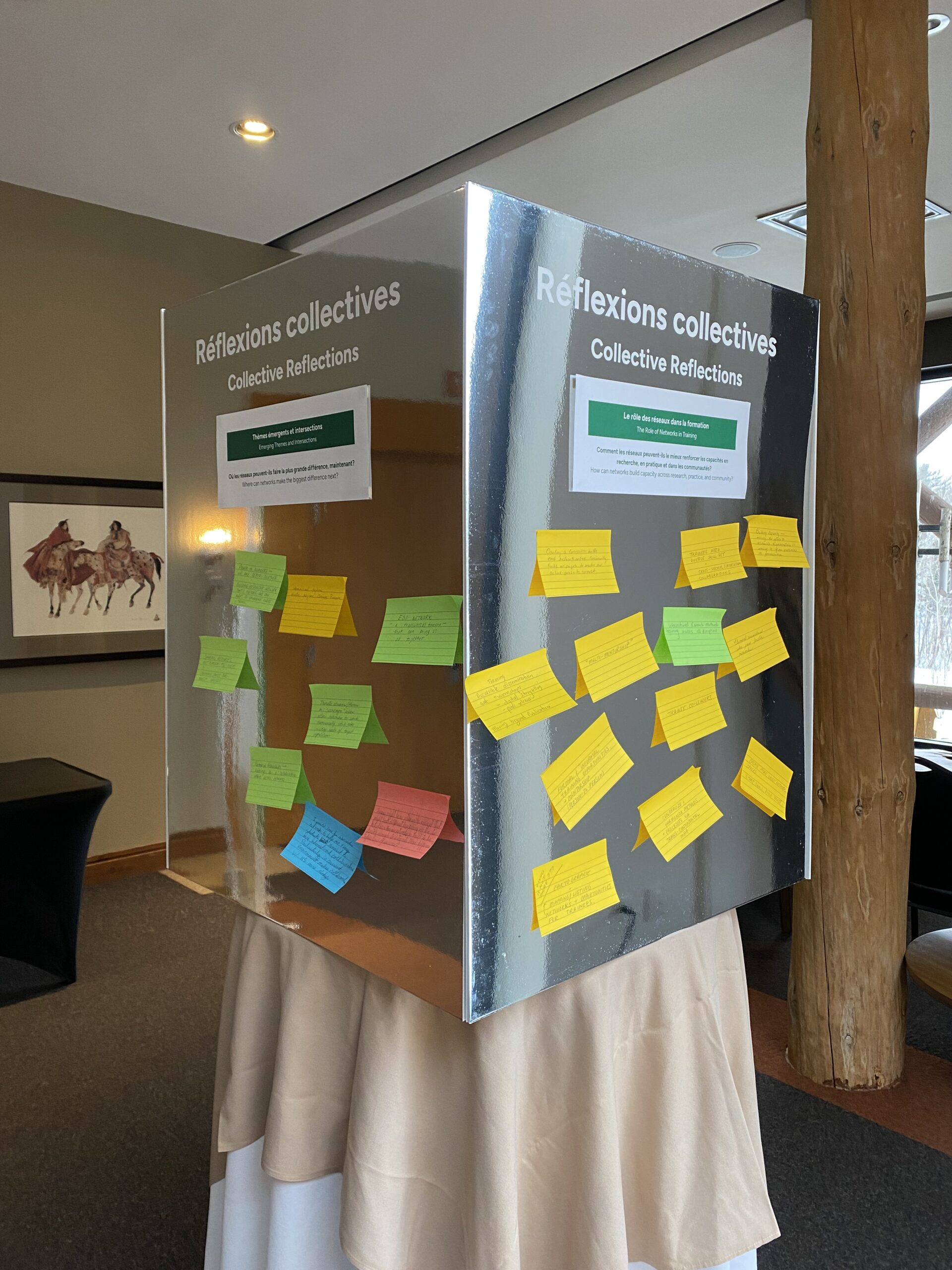
During this working retreat, participants spent several days examining how Canada’s neurodevelopmental research ecosystem might better coordinate across disciplines, sectors, and funding cycles. Conversations focused on practical questions: how networks connect, where gaps remain, and what it would take to sustain collaboration at a national scale.
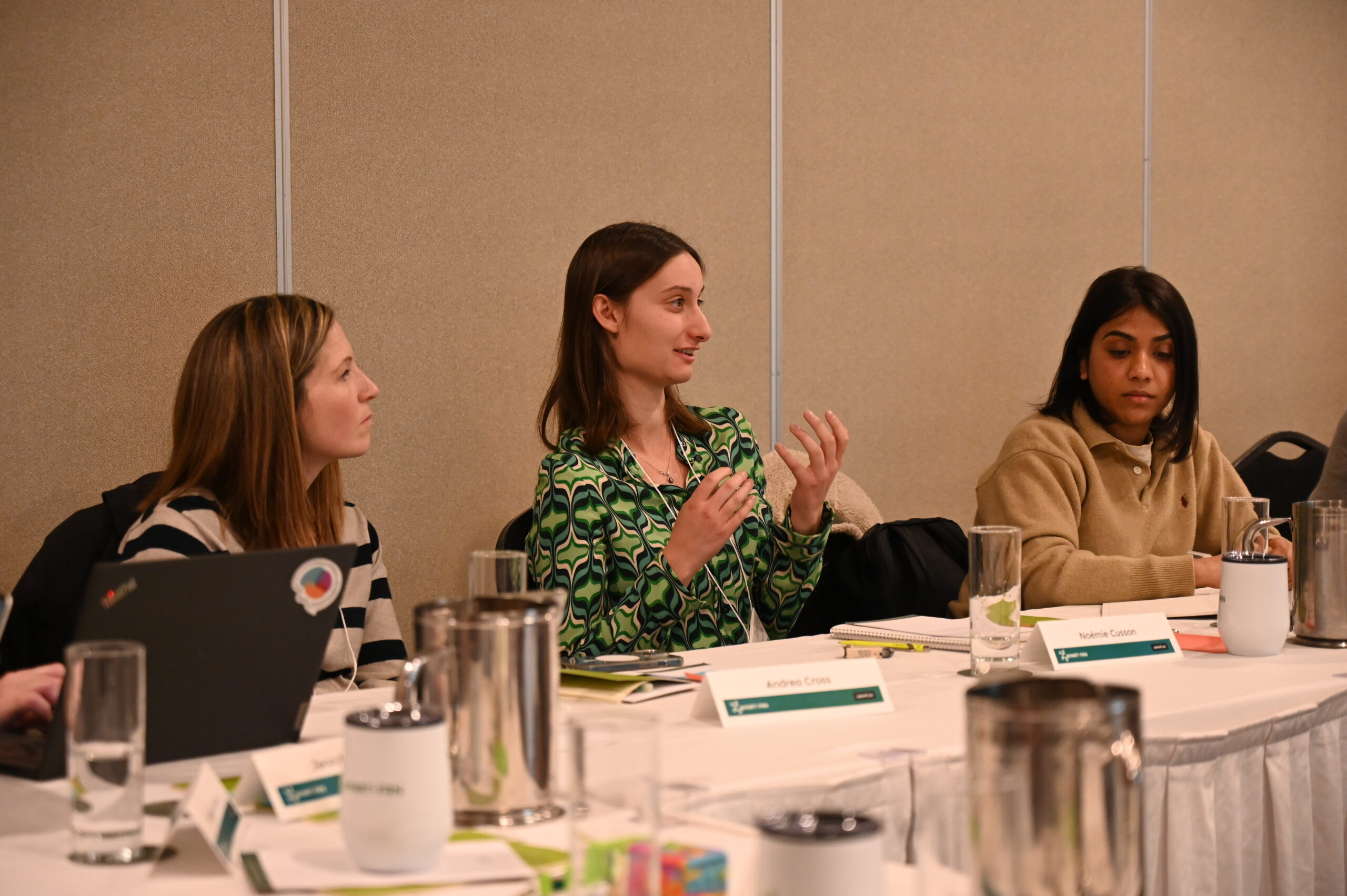
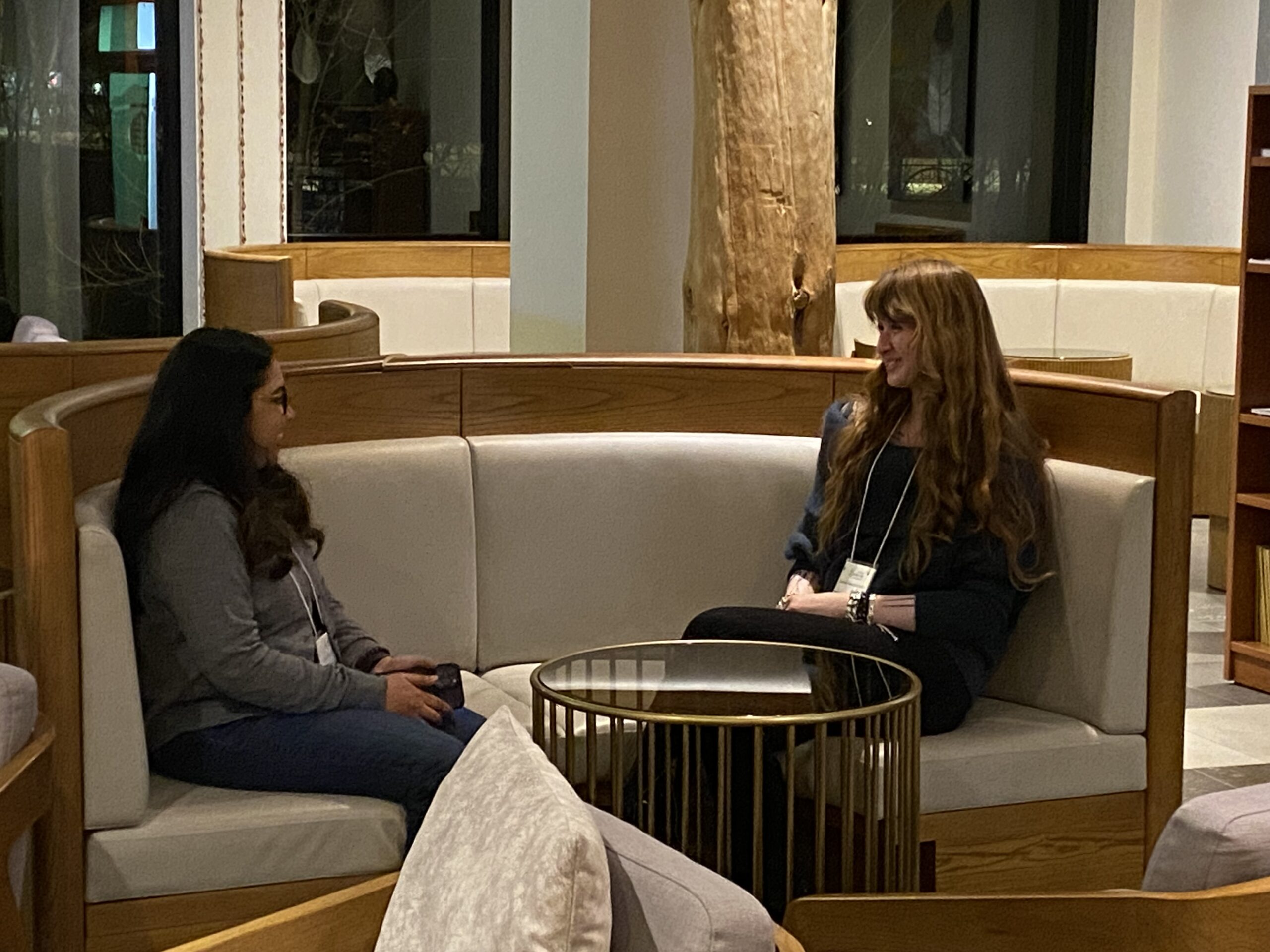
Mishel Alexandrovsky (University of Toronto), Noémie Cusson (Université du Québec à Montréal), and Fatima Karim (Carleton University) took part as trainee representatives. They were joined by Jessica Overby (University of Saskatchewan), C4T trainee, Kelly D’Souza (McGill University), TACC Trainee Co-Lead, and Danielle Baribeau (Holland Bloorview Kids Rehabilitation Hospital), an IMPaCT–CanNRT Fellow and early career researcher active across several networks represented at the retreat.
Across sessions on training, governance, research infrastructure, and community engagement, trainees contributed perspectives on how the next generation of researchers sees the field evolving.
What follows are their reflections.
Did the retreat influence how you plan to approach your research or training moving forward?
Throughout the retreat, discussions about collaboration, governance, and community engagement prompted trainees to reconsider how their roles fit within a broader research ecosystem.
Mishel Alexandrovsky
“One moment that shifted how I see my role as a trainee was the discussions about engaging community members as meaningful contributors and leaders in shaping research questions, developing methods, and interpreting findings. It highlighted that trainees are well positioned to advance emerging approaches, advocate for neuroaffirming research practices, and carry forward innovations already taking place in the field.
Much of my training has emphasized methodological rigor and strong theoretical foundations; these conversations emphasized that rigor and ethical, participatory approaches must develop together. Trainees play a key role in sustaining momentum, translating values into practice, and ensuring that neurodevelopmental research remains both innovative and grounded in the communities it aims to serve.”
Danielle Baribeau
“One moment that struck me was the discussion on the idea of building training pathways to support the next generation of scientists to develop capacity to lead multisite research networks.
As an early career researcher, the learning curve to go from research and clinical trainee to leading my own lab has been steep, in terms of understanding processes, procedures, contracts and human resources.
As I move to doing more collaborative work across regions and institutions, this discussion shifted my thinking around the need to seek out formal or informal training and guidance, on networks and multisite collaboration as a specific skill and capacity to nurture. Support and training in this space would be invaluable.”
Noémie Cusson
“One moment that changed how I see my role as a trainee occurred during one of the discussions in the session on emerging networks. A participant pointed out the lack of mentorship for researchers who want to establish a network, and that comment really resonated with me.
As students, we are rarely introduced to the internal mechanisms of a network or to the many strategic, organizational, and logistical considerations involved in creating and managing one. I became aware that my role as a trainee was broader than I had imagined. More specifically, I realized that my training goes beyond the academic and scientific dimensions of research to include the elements that support it.”
Kelly D’Souza
“The big takeaway for me from the retreat was realizing how much potential there is to move beyond working in silos. There was a clear sense of shared values and overlapping priorities, and it made me understand that we do not always need to reinvent the wheel.
What really shifted my thinking about neurodevelopmental research was something Karen Bopp articulated so clearly—that recommendations need to be situated within deliverables.
For transformative change within communities, we need to focus on solid actionable plans that can translate into practice. It sparked bigger questions for me about multi-sector data and about how strengths and gaps within my research area intersect with broader priorities like housing, employment, and AI.”
Fatima Karim
“A pivotal moment occurred during the discussions on scaling interventions across diverse Canadian geographies. I realized that my role as a trainee is often framed around solving technical fixes—the “how-to” of data collection. However, the retreat shifted my perspective toward adaptive challenges: the systemic trust-building and inter-sectoral collaboration required to ensure research actually reaches communities. It changed how I see my work from being a producer of academic papers to being a designer of sustainable health solutions.“
What is one thing you plan to do differently in your research or training as a result of attending the retreat?
Several trainees described how the retreat influenced the way they think about collaboration, research translation, and their own professional development.
Mishel Alexandrovsky
“I want to more intentionally consider how individual studies can contribute to larger, coordinated efforts rather than remaining stand-alone projects. … this means thinking earlier about shared measures, compatibility with other datasets, and how research questions might align with broader priorities across networks and communities. Strength in numbers is essential for advancing knowledge and impacting both systems and people’s lives.“
Danielle Baribeau
“I had a great discussion with one of the scientists from McMaster about family engagement in research, and the FER course, in the setting of rare disease/ rare genetic conditions. I was excited to hear how many family advisors in this space were looking to get involved with specific projects. This is a relationship I intend to foster, both for the family advisors I’m already working with, and to seek out new partnerships.”
Noémie Cusson
“One concrete thing I plan to do differently in my research is to communicate my results more clearly—not only through accessible summaries, but also by highlighting their concrete implications.
In research, we sometimes assume the relevance of our work is self-evident. During the retreat, I realized how important it is to explicitly connect our research to its outcomes so that interest holders understand why it matters and how it may help them in their daily lives.
I would also like to learn how to better translate my results for policy makers so that they can contribute to evidence-informed decision making.”
Kelly D’Souza
“It was helpful to hear and be reminded that we are all part of the system. … It shifted my thinking from focusing on what needs to change to asking what I can do, within my capacity and across the many roles I hold as a trainee in academia, to help bring about that change.
One commitment I look forward to is promoting accessible research dissemination through my other roles, including at conferences, and being more intentional about how I share my own research. … One question that keeps circling for me is how to meaningfully balance diverse strengths, needs, and perspectives in the co-design process.”
Fatima Karim
“I plan to integrate a social entrepreneurship and systems-design lens into my training. Specifically, I will seek mentorship on how to navigate the ‘business’ of research—understanding how to move a project from inception to execution within communities using sustainable models like patient/philanthropic capital.
Instead of just following a linear academic path, I plan to build the skill set needed to pivot and adapt my research design to meet the shifting needs of the national agenda, ensuring the ‘end-product’ is a functional community resource.”
What challenges to collaboration across research networks became more visible during the retreat?
The retreat also surfaced structural challenges related to coordination, sustainability, and collaboration across research networks.
Mishel Alexandrovsky
“A hard truth that emerged is that while there is strong enthusiasm for collaboration, the field still operates within structural and conceptual silos across disciplines, diagnoses, and sectors. Many groups are doing complementary work but lack mechanisms to see or connect with one another, limiting opportunities for synergy and shared progress. … Creating spaces where researchers, practitioners, and community members can regularly exchange perspectives would help transform parallel efforts into genuinely collective ones.“
Danielle Baribeau
“With a much-needed move towards transdiagnostic conceptualizations of neurodevelopmental conditions, this further complicates the process of network building, scope and identity, which will need to drive even more innovation and collaboration.”
Noémie Cusson
“One difficult reality I became aware of is the precariousness of research networks, which depend heavily on their ability to secure funding. I realized that when a network loses its funding, it is not only its activities that are compromised, but also the resources, platforms, and training opportunities it has developed. There is therefore a tension between relatively short funding cycles and the need to build long-term initiatives capable of generating lasting impact.”
Kelly D’Souza
“There was a lot of discussion around co-design, along with the reminder that even within shared spaces, goals and priorities can differ. That tension feels very real when you think about co-design as a process in neurodevelopmental research.
One question that keeps circling for me is how to balance and support diverse strengths, needs, and perspectives in the co-design process.“
Fatima Karim
“The hard truth is that network-building in the Canadian landscape often prioritizes technical collaboration—sharing diagnostic tools or datasets—while neglecting the adaptive challenges of inter-sectoral trust-building. … The network rarely provides the mentorship needed for researchers to develop the ‘business’ of sustainability. The networks are still working out whose frameworks get treated as the baseline and whose get treated as additions — and that shapes who contributes fully, and the research itself. To address this, we should restructure our networking spaces to include social entrepreneurs and philanthropic partners as core interest holders, shifting the focus from academic networking to impact-driven solution design.“
What do you wish more people understood about the role of trainees in research networks?
Trainees also reflected on their role within research networks and the kinds of support needed to sustain meaningful participation.
Mishel Alexandrovsky
“I wish more people understood that trainees are navigating both opportunity and uncertainty in these collaborative spaces. … We are encouraged to engage in interdisciplinary, participatory, and translational work, but we are still developing the skills and boundaries needed to do this sustainably, often with limited formal training or informal mentorship. Supporting trainees in learning how to collaborate well—not just collaborate more—will strengthen both trainee development and the long-term success of these initiatives.“
Noémie Cusson
“As students, we are often affiliated with several networks and participate in the activities they offer. This allows us to identify both strengths and areas for improvement across the networks we engage with.
At the same time, we rarely have access to discussions about the governance and strategic functioning of networks. While these conversations can feel intimidating or hard to access, students can still offer valuable insights into how networks operate and how they might grow.“
Kelly D’Souza
“Coming from a more clinical and community space into academia and research, and then being given the opportunity to be present at this Network of Networks retreat, I felt very grateful.
It helped me connect the dots across those different spaces and experiences and see how they come together. It also made me reflect on what pieces I might still be missing when I think about research, and whose perspectives are not yet fully in my immediate view.”
Fatima Karim
“I wish more people understood that trainees are the future navigators of the national neurodevelopmental agenda, not just the ‘hands’ executing technical tasks. … If we empower trainees to view themselves as systems architects we stop producing isolated discoveries and start building something that actually holds together and reaches people, and that transformation starts in how we train now.“
The Network of Networks Retreat is a dedicated working retreat, co-led by trainees, where the platform takes stock of progress and sets priorities for the years ahead. The retreat brings together trainees, committee members, and invited contributors from across research, clinical, and community contexts. These conversations help strengthen how CanNRT trains, connects, and supports the next generation of leaders in neurodevelopmental research.
Trainee reflections show that they are not only developing research expertise, but also thinking critically about how knowledge moves between networks, communities, and policy. In doing so, they are already contributing to the conversations shaping the future of the field.